
Deep Dish Dungeon Metacritic: The 81 Explained
A score of 81 from four PC reviews, while the user score still reads tbd.
Esta página ainda não foi traduzida — a versão em inglês é exibida.
 Material oficial
Quick answer
Metacritic carries a Metascore of 81 for Deep Dish Dungeon, tagged Generally Favorable and based on four PC critic reviews: DualShockers 85, Voxel 80, GameBlast 80 and Omelete 80. The user score field still reads tbd. OpenCritic's five reviews produce a median of 80 with a 60% recommendation rate, so the two aggregates land within a point of each other.
What the page actually shows
The entry lists Raw Fury as publisher, Behold Studios as developer, Action RPG as the genre, and PC plus Xbox Series X as platforms.
The score container that read tbd through launch week now renders 81 with the label Generally Favorable, and "Based on 4 Critic Reviews" sits underneath it. Four is the number that unlocked it: the page carried three reviews and no score on 27 October, and the fourth review is dated 28 October.
A second tbd is still on the page, in the user score block, next to the line "Available after 4 ratings". That is a different field with a different rule, and the two should not be read as the same absence.
 Official media · Steam
Why the score appeared when it did
Metacritic does not publish a Metascore until enough critic reviews are attached to produce one, and it does not publish the threshold it uses. Through launch week the page had three reviews and printed tbd rather than a stand-in number, which is why searches for a score kept landing on pages that guessed.
The fourth review changed the state of the page rather than the reception of the game. The same write-ups that produced tbd now sit under an 81, and the figure will keep moving as more outlets file, because four reviews leave a single new score with real weight behind it.
What to read instead
| Aggregator | Reading | Sample |
|---|---|---|
| Metacritic, PC | 81, Generally Favorable | 4 critic reviews: 85, 80, 80, 80 |
| OpenCritic | Median 80, 60% recommended | 5 reviews, 2 top critics |
| Steam | 80% positive, Very Positive | 993 user reviews |
Both aggregates now produce a cross-outlet number, and they land within a point of each other: 81 against a median of 80. That agreement is worth more than either figure alone, because the two sites draw on overlapping but not identical sets of outlets and reached the same conclusion from slightly different samples.
Steam's percentage is a different measurement entirely. It counts every buyer who left a review, not a curated set of outlets, and it should never be converted into a ten-point score — a page that does that is inventing a number.
 Official media · Steam
What the tbd actually marks
The remaining tbd belongs to the user score, and the page explains it in the same block: "Available after 4 ratings". Metacritic withholds a player average until it has a minimum number of ratings, so the field is empty because too few players have rated the game, not because the rating was removed.
That is worth separating from the critic side, where the threshold has now been crossed. One number on the page is live and the other is not, and a reader who sees a single tbd can easily conclude the whole entry is empty.
The four reviews counted are PC reviews
Metacritic lists both PC and Xbox Series X for this release. Every one of the four reviews behind the 81 carries a PC tag, so the number describes the PC build rather than a cross-platform average.
That distinction matters more for a game with a Game Pass launch than the platform list suggests. Console players arrive through a subscription rather than a purchase, so the player-side numbers will diverge from Steam, while the critic side stays anchored to the build reviewers were sent.
 Official media · Steam
How much weight an 81 from four reviews carries
An 81 from four reviews is a real signal and a thin one at the same time. Four scores cannot smooth out an outlier, so the number reflects what a handful of outlets thought in the first fortnight rather than a settled consensus.
The four scores behind it are close together — 85, 80, 80, 80 — which is why the average reads as stable even though the sample is small. Three of the four sit on 80, and the 85 only pulls the mean up by a point.
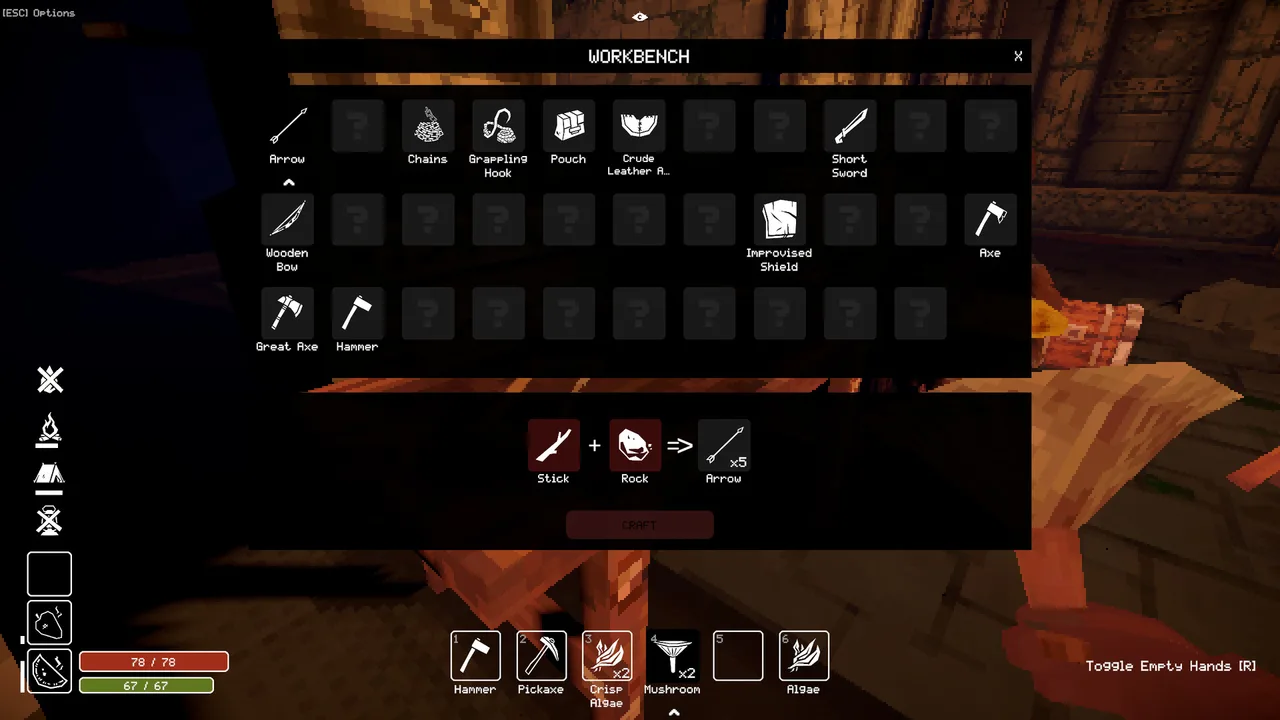
What the number does establish is direction. A game averaging in the low eighties from the outlets that finished it is not a broken release, and the criticism that recurs — the stiff combat, the six-slot inventory — reads as friction inside a game critics liked rather than as a reason it failed.
The gap between critics and players
The interesting figure here is not any single score but the distance between them. Player sentiment sits at 80% positive while 60% of critics recommend the game, a twenty-point spread in the players' favour, and the Metascore sits above both at 81.
Part of that is sample size: 993 players against five critics. Part of it is selection, since people who bought a $14.99 co-op dungeon crawler are not a neutral panel. And part of it is real: the criticism that recurs in reviews, the six-slot inventory, is exactly the friction a co-op partner removes.
Where the 81 does not help
TechRaptor's 6/10 is not one of the four scores Metacritic counted, so the 81 excludes the harshest published review of the game. Anyone weighing the Metascore against the review roundup is comparing two different sets of critics.
What the reviews say, briefly
The four counted reviews are not hostile. DualShockers opens on growing up with King's Field and calls the result genuinely brilliant, Voxel places it inside the co-op survival trend without embarrassment, and Omelete argues the game lets go of the player's hand on purpose.
The harshest published take sits outside the average. TechRaptor's 6/10 argues that the game does not work solo, and the full roundup, with quotes, is on the review page.
What about user scores?
The user score field on Metacritic reads tbd and is labelled "Available after 4 ratings", so there is no player average to quote yet. Metacritic's user reviews also load through JavaScript, so no player average appears in the page a reader or a crawler receives.
If you want a player-side number, Steam's 80% is the honest one: it is public, dated, and tied to a specific sample size.
Quick answers
What is the Metacritic score for Deep Dish Dungeon?
81, tagged Generally Favorable, from four PC critic reviews: DualShockers 85, Voxel 80, GameBlast 80 and Omelete 80.
Why did the score take two weeks to appear?
Metacritic needs a minimum number of critic reviews before it publishes a score, and it does not state that minimum. The page held three reviews and printed tbd until a fourth arrived on 28 October.
What score does OpenCritic show?
A median of 80 across five reviews, with 60% recommending and two top-critic reviews counted. It does not generate a tier either.
Is the game poorly reviewed?
No. Steam sits at 80% positive, and the press splits between a 6/10 and positive write-ups rather than clustering low.
Confidence note
The Metascore, the four-review count, the individual scores and the user-score label were read from the Metacritic page HTML on 2026-10-31. OpenCritic's figures date from 2026-10-27.
Precisa de ajuda?
Leitura relacionada
Guia de Deep Dish Dungeon na ordem real de bloqueio: estômago cheio, martelo, picareta, machado, quebra-cabeça das estátuas, quatro gemas e a luta final.
A deep dish dungeon wiki built on the live build: 22 treasures, 23 achievements, eight crafting stations plus anvil, three bosses and the area names.